
What the ESTP personality is like
Somebody said the shop closes at six, and you were already in the car. You read a situation faster than you could explain how, and more often than not you'd rather act on half the facts than wait for all of them. You go toward the crowd, you trust what you can see and touch, you weigh what works before how it lands, and you keep the plan loose enough to change at the next turn. That reads as Outgoing, Hands-on, Head and Flexible. Here is how it looks from the driver's seat.
How you move through a day
You answer messages walking, often by voice note, because saying it is faster than typing it. The day has a shape but not a script: you leave for one errand and come back with three, one of them a favor for someone you met in the queue. If something is broken, it's open on the counter before anyone has finished explaining what's wrong.
In a group you're the one who says "okay, so what are we doing" and means it kindly. A plan with no first step makes you restless; a rough decision makes you easy. You read people by tone and posture more than by what they say, and you adjust mid-sentence.
At work you do the thing and tidy the paperwork after, if the paperwork survives. At home the keys are wherever you dropped them, and Saturday gets planned on Saturday around ten. A rule with a visible reason, you follow. A rule that exists because it always has, you tend to test.
What you're good at
You're calm while it's happening. When something goes wrong in the middle of the event, you're already moving, and your pace tells everyone else it can be survived.
You read a room fast. Who's bored, who's about to push back, who needs to be asked directly: you pick it up while talking and adjust without announcing it.
You decide. Not perfect decisions, workable ones, early enough to matter, which is when most of them are worth anything.
And one you may not count: you make it easy to start. People stuck at the edge of a plan step in once you've taken the first step, and you'd say you just went first.
What it costs you
You act on what you can see. So when the decision depends on something that shows up slowly, a clause in a contract, an ache that keeps coming back, a friend drifting a little each month, you meet it later, in a bigger version, and it feels like bad luck. It goes better when one slow thing gets a date in the calendar.
You answer the problem first. Someone says a hard thing in passing, and you've already offered the fix. You miss the minute where they wanted company, and you find out from the way they stop telling you things.
Speed feels like progress, so you move on as the last thing reaches its dull part: the follow-up, the thank-you, the receipts. The credit for what you started goes to whoever finished it, and you're left with a great many good beginnings.
Love and closeness
You start fast. A look across the room, a message the same night, a plan for Thursday before the first date is over. You show love by turning up and doing: the ride home, the thing fixed while they were out. With someone you care about, the phone goes face down.
What a partner may miss is the slow part: the feeling put into words on an ordinary evening, the question about how they are that isn't about logistics. You mean it; it just isn't what your hands reach for first. It goes better said once, out loud, short.
You need room to move, a night out, a trip, a project, and it isn't a verdict on them. Say so lightly, early. Your fights are short and you don't keep them, which is restful, though now and then they need one to stay open longer.
Friends
Many, in layers. There's the group for football or dinner, the person you call for the ride at two in the morning, and the old friend who gets a message twice a year and picks up as if it were yesterday. You're the friend for the plan: someone says "we should" and you've booked it. You turn up with the tool, the truck or the nerve. What slips is the quiet check-in with nothing to do. You're there in an emergency, and you may forget to be there on a Tuesday.
Work and getting things done
You do best where things are happening: a floor, a site, a sales table, a crisis that needs someone who stays level. Give you a live problem and the room to try something and you'll try three. You learn by doing, not by briefing, and you pick up a new tool by breaking it a little.
What drains you: long planning with no first step, reports about work you've already seen, rules with no reason attached. What helps: short cycles, quick feedback, and someone who takes the follow-up you find dull.
Teams get the most from you when they let you go first and bring in the careful people for the second pass. Tell them early what the next hour needs; you'll have moved before they finish asking.
If you're close to one
Say it straight and short. Long build-ups lose them; a plain "I need you to hear this" lands. If they go quiet after something heavy, that's not dodging, so ask for one thing they can do. Tell them what you felt, not only what you want fixed. They'll listen, and a sentence like that is one they keep.
The two letters still to come
Two letters are still to come. One says how things reach you under pressure: Steady or Sensitive. The other says who you turn to when it's hard: people, or yourself. The four Pilots differ more than you'd expect. And if one of your four letters landed in between, read the neighbor too; both of them are you.
Personality types one letter from ESTP
- ISTPThe Climber
Same hands, same cool head. The Climber works the wall alone and quietly; you'd rather have company and a deadline.
- ENTPThe Spark
Same speed, different fuel. The Spark chases the idea; you chase what's in front of you and can touch.
- ESFPThe Bonfire
Same love of the moment. The Bonfire checks how everyone is feeling first; you check what's going to work.
- ESTJThe Conductor
Same drive. The Conductor has the route written down and the stops timed; you've got the keys and a direction.
 ESTP-AC
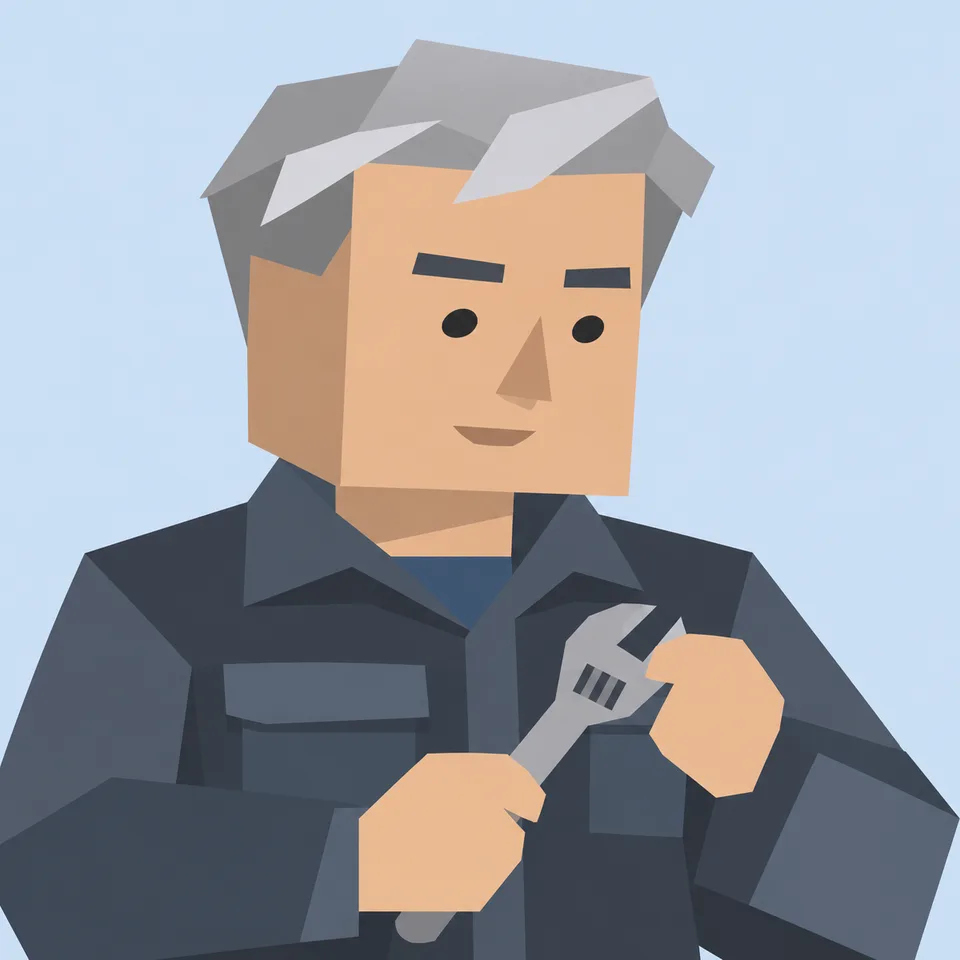 ESTP-AS
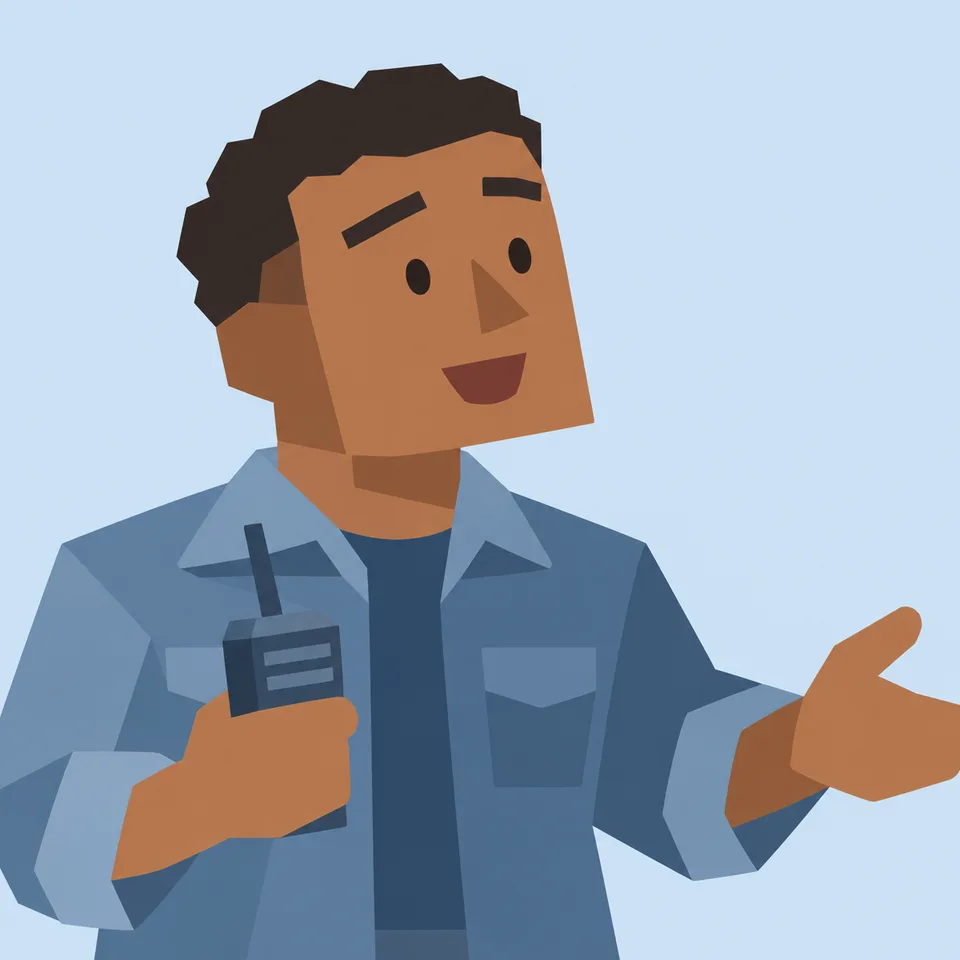 ESTP-TC
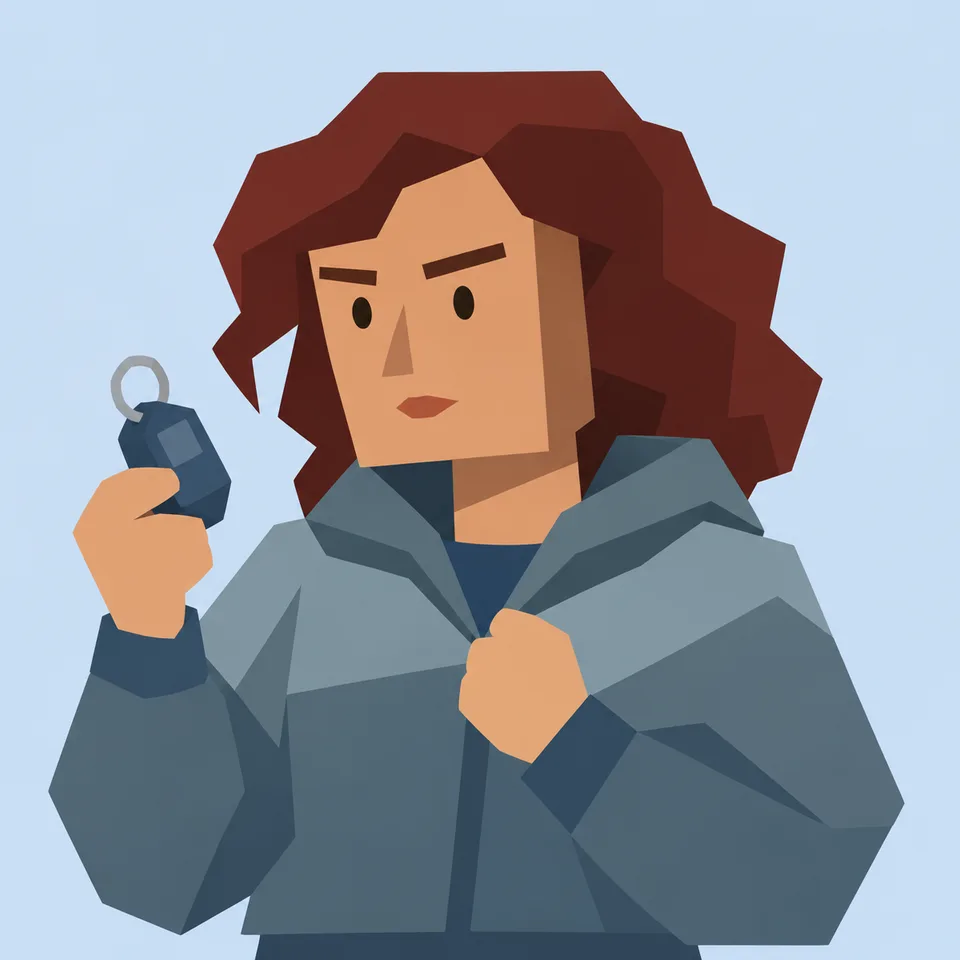 ESTP-TS