
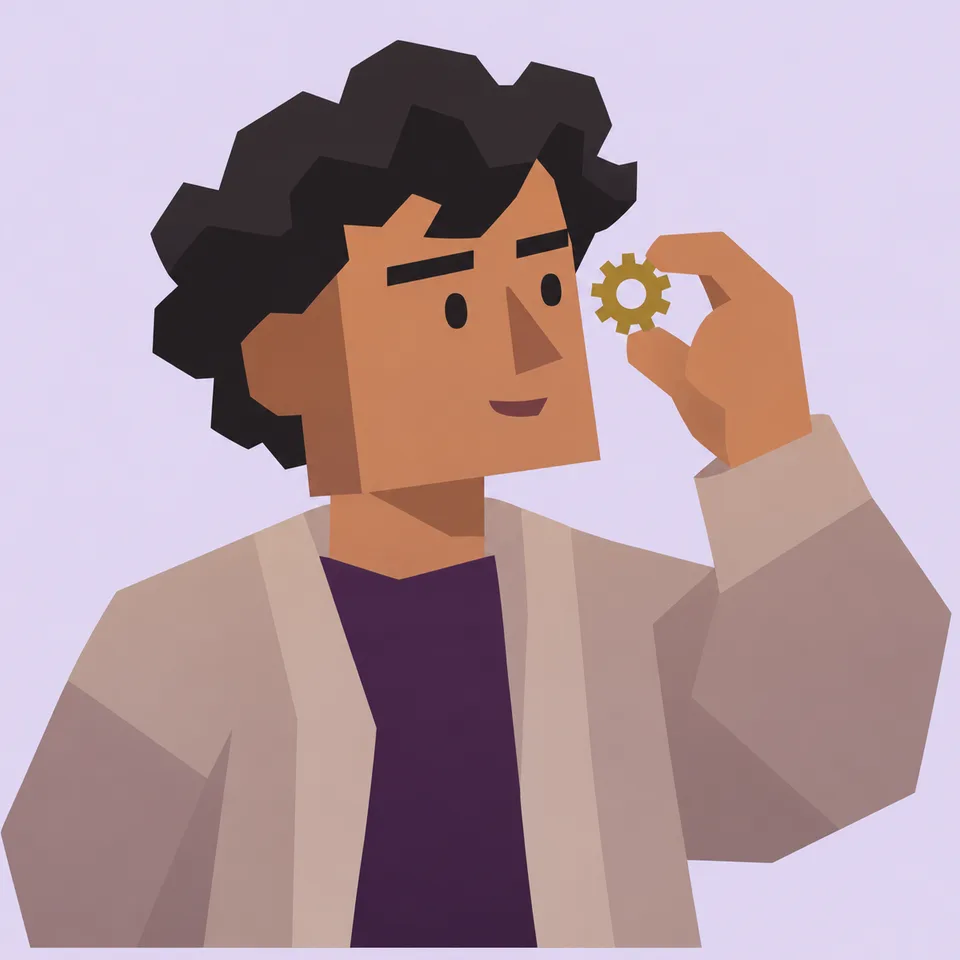
What the INTP personality is like
You were the one who asked the question nobody else in the room had thought of, and then went quiet for the rest of the meeting, because the question turned out to be more interesting than the meeting. You take things apart to see how they fit. Ideas, mostly. Sometimes people, gently, from a safe distance. You keep to yourself, you live more in your head than in the room, you check what's true before you check what's kind, and you leave the door open on almost everything. That reads as Reserved, Intuitive, Head and Flexible. Here is what it looks like from the inside.
How you move through a day
A normal day has forty tabs open and three of them matter. You started reading about one thing, and two hours later you understand a different thing entirely, and you'd call that a good afternoon. The message from a friend sits unanswered, not because you don't care, but because you want to answer it properly, and properly takes a while. You'll answer at midnight. It'll be good.
In a group you're quiet until the topic hits something you've thought about, and then you're not quiet at all. Your first answer to most questions is "it depends", and you mean it; you can see the three cases where it goes one way and the two where it doesn't. When someone presents a plan, you spot the hole in it in the first minute. Whether you say so depends on whether they asked.
You start things. Finishing is a separate decision, made later, if the thing still interests you. Your room is organized in a way only you can read: what you own is either exactly where you last used it or gone forever. Rules you understand, you keep. Rules nobody can explain, you treat as suggestions.
What you're good at
You see the structure under the mess. Give you a tangled problem and you'll find the two things that actually matter, usually while everyone else is still arguing about the rest.
You're honest in a way that's useful. You say what you think is true and you don't dress it up, so people learn they can bring you the real question.
You update fast. Being wrong doesn't wound you much; it's just new information, and you'd rather have it. That makes you easy to argue with, in the best sense.
And one you probably don't count: you're calm around complexity. Where others feel lost, you feel at home, and that calm spreads. The person next to you stops panicking because you clearly haven't started.
What it costs you
Understanding something feels like finishing it. So the project sits at eighty percent, and the people waiting on it never see the eighty. They see that nothing arrived. You know how much is there; they can't. It goes better when one person gets the draft, not the finished thing.
You check what's true before you check what's kind, and most of the time that's a gift. But people near you sometimes needed a "that sounds hard" before the fix. They got the fix. Next time they took it to someone else, and you didn't know what you'd missed.
You keep to yourself, so nobody knows when you're stuck. Help arrives late, or not at all, because from the outside your stuck looks exactly like your thinking. The weeks you lose this way are the quietest weeks of your year, and the most expensive.
Love and closeness
You're slow to start. Not shy, exactly; you're waiting to see whether this person is still interesting at close range, and that takes more than one evening. Once you're in, you're in for a long time, in a way that doesn't announce itself.
You show love by solving. The thing that was broken is fixed; the thing they mentioned once is remembered. A partner may want to hear the feeling said out loud, not just acted on, and saying it will cost you more than fixing the sink did. It's worth the price.
You need time alone, and it's not about them. Say so early, before they have to guess. You don't do drama, which is restful for a partner, and once in a while lonely for them.
Friends
Few, and long. You're the friend for the strange question at one in the morning, and the one who'll take the question seriously. You can disappear for weeks and come back as if nothing happened; your real friends know this isn't distance, it's just how you're built, and they've stopped counting. What you're bad at is the small maintenance, the "how are you" with nothing behind it. What you're good at is showing up fully when it matters, with the thing they needed and didn't know how to ask for.
Work and getting things done
You do your best work alone with something unsolved, with enough room to go down the wrong path twice. Give you a problem and a door you can close and you'll come back with a map. Give you a status meeting and you'll come back with nothing but a theory about meetings.
What drains you: vague praise, rules without reasons, being asked for the finished thing before you've understood it. What helps: a deadline you agreed to (you resent them and you need them), and a person who'll take your eighty percent and run with it.
Teams get the most from you when they ask what you're thinking before it's done. You won't volunteer it. You will answer.
If you're close to one
Ask directly. Hints don't land, and silence isn't distance; it's usually just thinking. "What do you think" gets you more than "how do you feel", and the feeling is in there, behind the thinking. Don't rush the answer; a slow answer from them is a real one. When they explain something to you at length, unprompted, that's affection. It's one of the main ways they have.
The two letters still to come
Two letters are still to come. One says how things reach you under pressure: Steady or Sensitive. The other says who you turn to when it's hard: people, or yourself. The four Alchemists differ more than you'd expect. And if one of your four letters landed in between, read the neighbor too; both of them are you.
Personality types one letter from INTP
- ENTPThe Spark
Same head, out loud. The Spark thinks by talking; you think by waiting.
- ISTPThe Climber
Same solo workshop. The thing on the Climber's bench is real and has bolts.
- INFPThe Poet
Same quiet, same open door. The Poet weighs what it means to someone before what's true.
- INTJThe Navigator
Same map. The Navigator picked a route and already left; you're still enjoying the map.
 INTP-AC
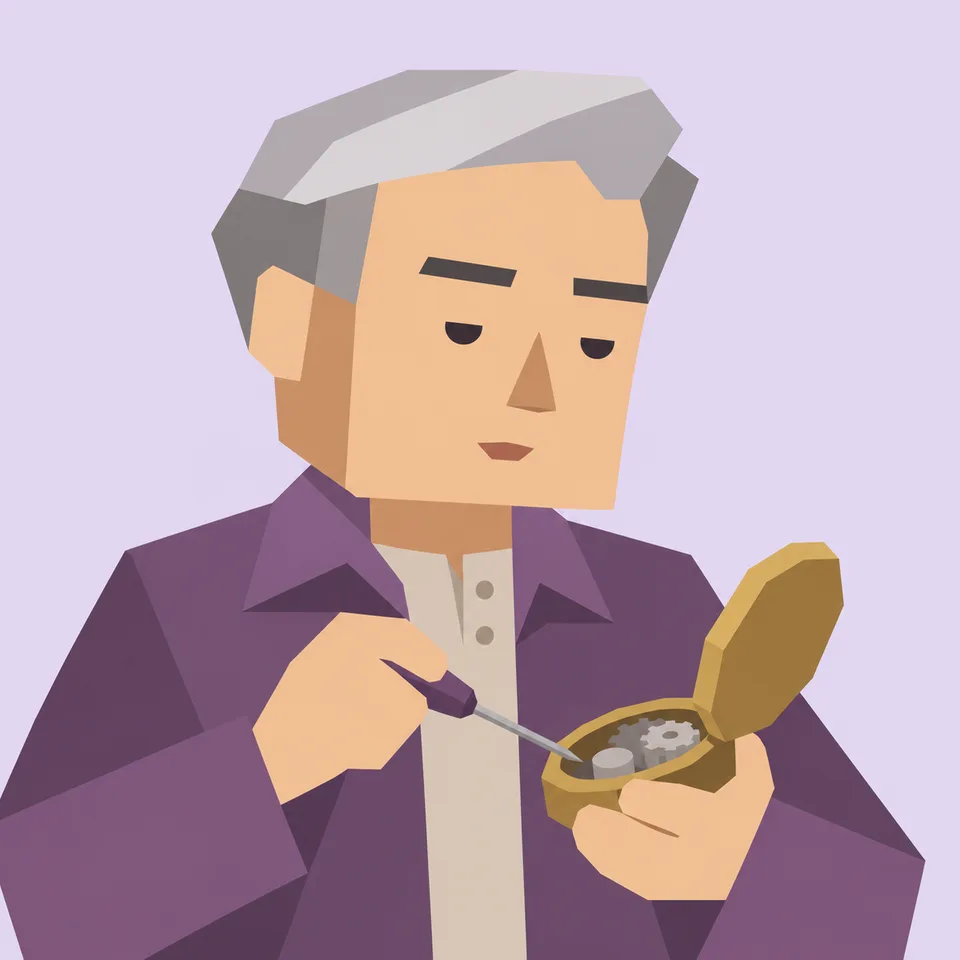 INTP-AS
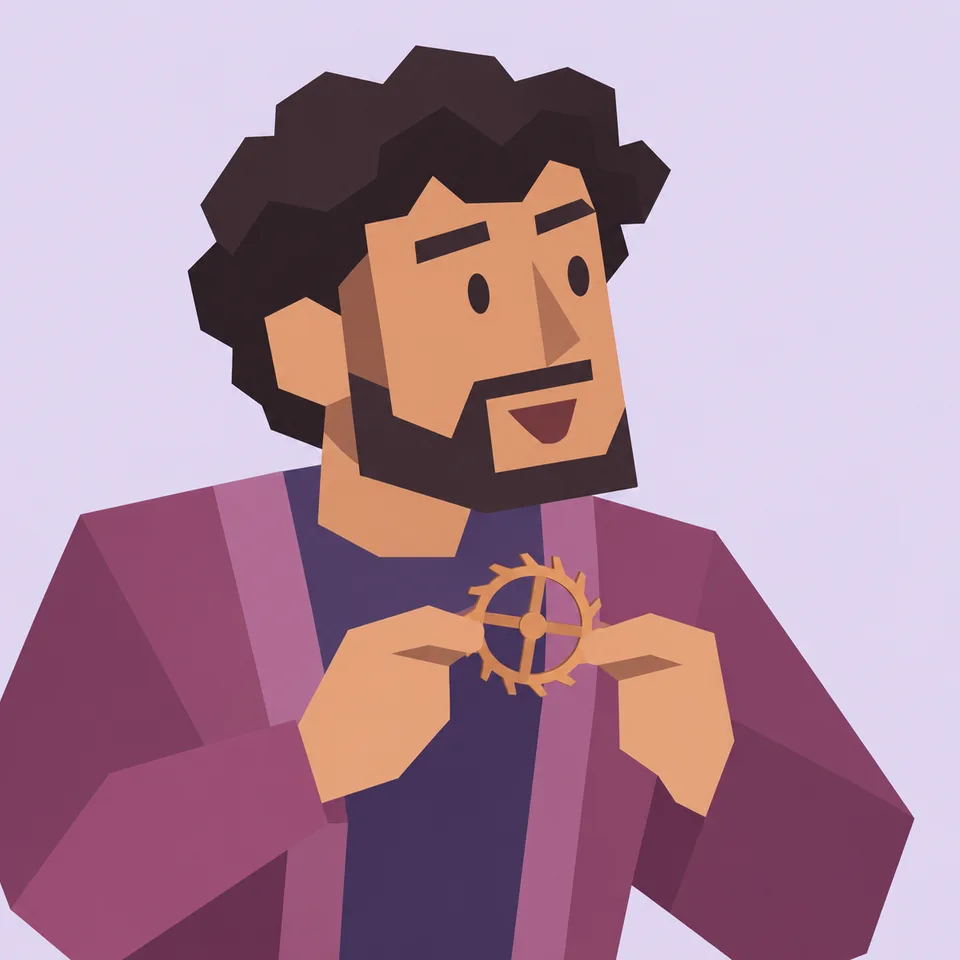 INTP-TC
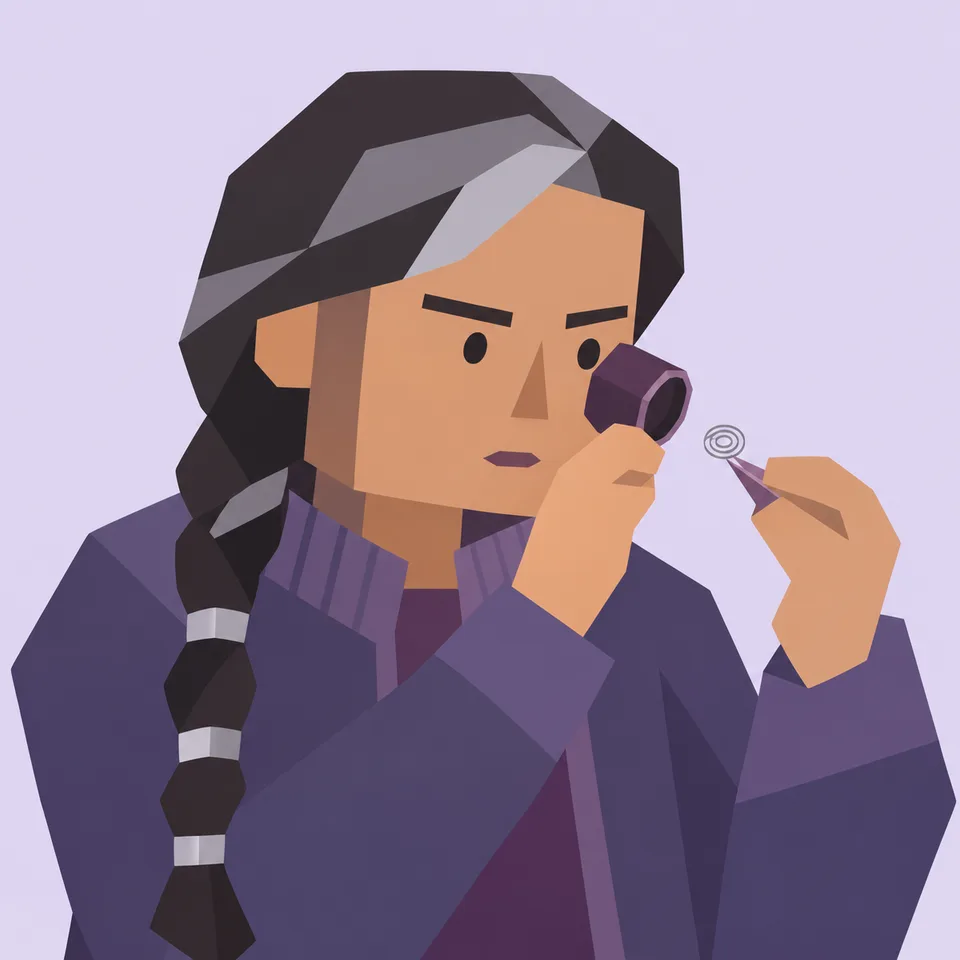 INTP-TS